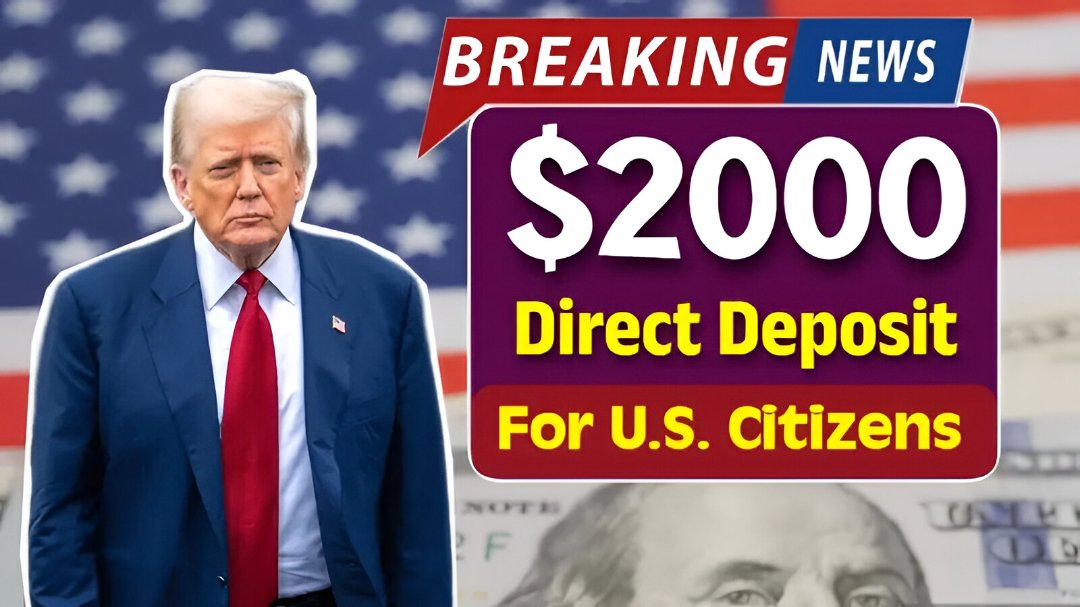
As December 2025 approaches, many U.S. taxpayers are buzzing about the possibility of receiving a $2,000 direct deposit from the IRS. Social media and community forums are filled with posts claiming the federal government has approved this payment and that deposits will hit bank accounts soon. It’s understandable with rising living costs and holiday spending, extra financial support would be welcome for many families. But before you start counting on it, here’s what the latest information and expert analysis reveal.
Current Official Position
As of mid-December 2025, the Internal Revenue Service (IRS) and the U.S. Department of the Treasury have not officially announced a universal $2,000 direct deposit program for all U.S. citizens. There is no formal payment schedule posted on IRS.gov or Treasury.gov confirming that a federal $2,000 deposit will be issued in December. Rumors and headlines claiming the IRS has “approved” such a payment are often based on speculation or are recycled from unverified websites. Without formal legislation passed by Congress and signed into law, the federal government cannot issue new stimulus-style payments.
Where the $2,000 Talk Comes From
The buzz around a $2,000 payment mostly stems from a few ongoing discussions and proposals:
- Political proposals like a tariff-funded rebate that would send money to Americans, which remain unapproved and speculative.
- Comparisons to prior federal relief payments like the COVID-era Economic Impact Payments (EIPs), which are now long concluded.
- Misinterpretation of year-end IRS refund patterns, where tax refunds, corrections, and credits often arrive in December and can add up to significant amounts for some taxpayers.
In reality, some people may receive large deposits toward the end of the year, but this is typically due to adjusted tax refunds, late-filed returns, or refundable credits, not a new universal federal payment.
Eligibility
Many online posts speculate about eligibility rules for example, income thresholds similar to past payments (e.g., single filers under $75,000 AGI) and priority for families with dependents. These discussions are informal projections, not official IRS criteria, because no official program exists yet. If a new federal relief payment were approved:
- Eligibility would likely depend on your most recent tax filing information.
- Direct deposit status would hinge on the bank details the IRS already has on file.
- Paper checks or debit cards might be issued when direct deposit isn’t available.
But again, these points are predictions based on past federal relief efforts, not confirmed rules.
Expected Timing
Without an official announcement, there is no confirmed IRS payment schedule for a $2,000 deposit in December 2025. Experts suggest that if anything were approved:
- Direct deposits would likely begin in mid to late December.
- Paper checks could take several weeks longer to arrive.
- Any official deadlines or claim instructions would be published by the IRS on its website.
Until then, the IRS continues to process regular refunds, credits, and year-end adjustments according to existing tax rules but not a new $2,000 stimulus.
How to Check Your Status Safely
To avoid scams and misinformation:
- Visit IRS.gov — the official source for any federal payment announcements.
- Use the IRS online account portal to track refunds or other applicable payments.
- Beware of unsolicited texts or emails claiming you’ll receive funds and asking for personal data — the IRS does not initiate contact through these channels.
- If you see a large direct deposit in December, verify it as a possible refund or credit before assuming it’s a new federal payment.
Rumors vs. Reality
- Fact: Three rounds of federal Economic Impact Payments were issued during the pandemic and related programs, and those are now complete.
- Fact: The IRS and Treasury have made no official confirmation of a new $2,000 universal payment for December 2025.
- Fact: Speculative proposals, including tariff rebates, have not become law, and therefore are not active payment programs.
Understanding the difference between official policy and social media rumors can help you avoid confusion and financial missteps during the holiday season.
Disclaimer: This article is based on current federal guidance and reliable reporting. Federal policies can change, and readers should verify details with official government sources if new programs are authorized.